
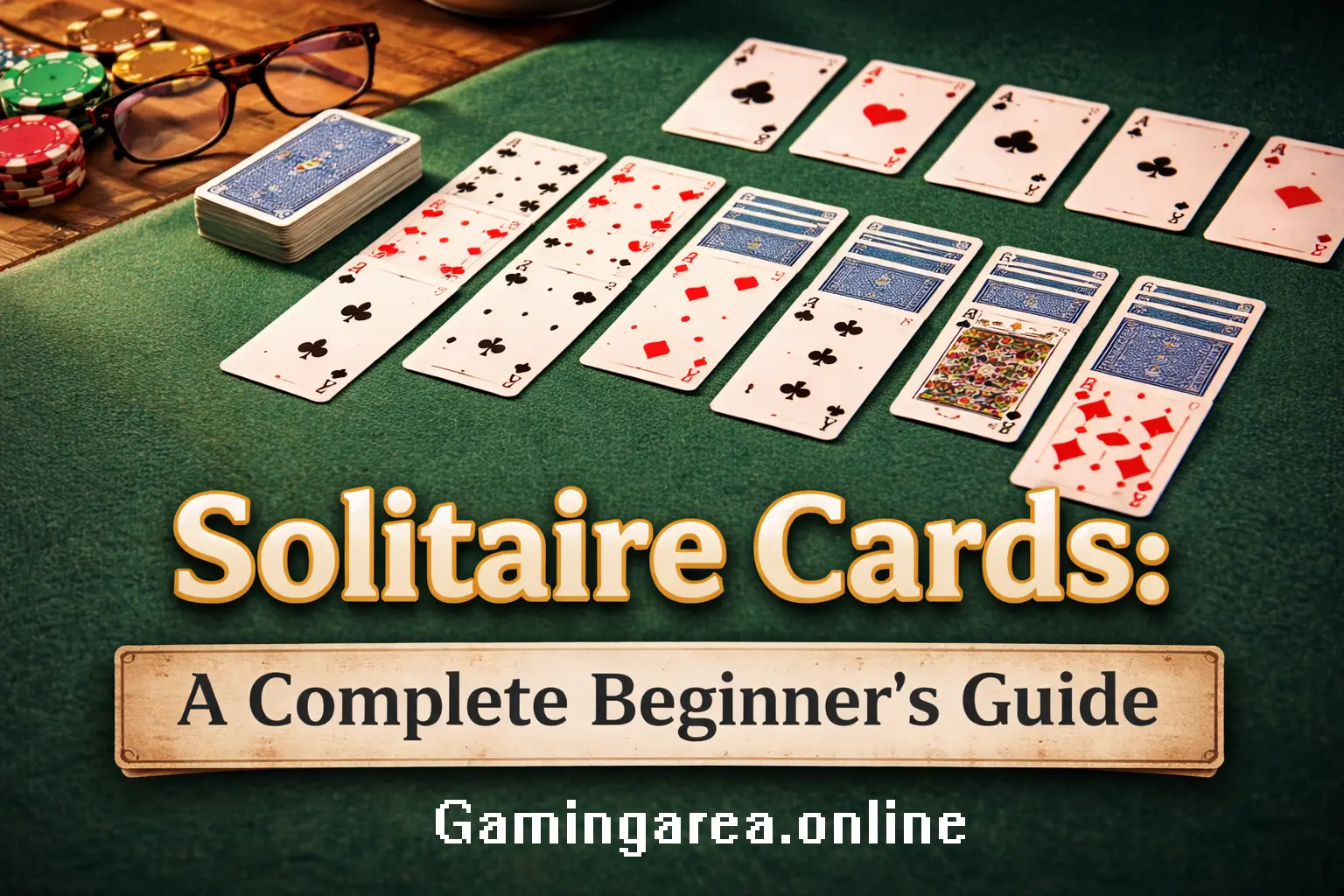
Solitaire is one of the most widely recognized card games in the world. Known for its calm pace and solo format, it has become a favorite pastime for individuals seeking focused, relaxing entertainment. Whether played with a physical deck of cards or on a digital platform, Solitaire offers a simple structure combined with engaging problem-solving elements.
In this guide, we’ll explore what Solitaire is, how to set it up, the basic rules, and practical tips to help beginners feel confident getting started.
What Is Solitaire?
Solitaire refers to a category of single-player card games. The most common version is often called Klondike Solitaire, which is the format many people are familiar with.
The goal is straightforward:
Organize all cards into foundation piles arranged by suit in ascending order, starting from Ace and ending with King.
Solitaire is typically played for relaxation, concentration, and personal challenge rather than competition.
What You Need to Play
One of the best things about Solitaire is how accessible it is.
You only need:
- A standard 52-card deck
- A flat surface
- A few minutes of focused time
No additional equipment or players are required.
How to Set Up Solitaire (Klondike Version)
Follow these steps:
- Shuffle the deck thoroughly.
- Create seven columns of cards.
- First column: 1 card
- Second column: 2 cards
- Continue increasing up to 7 cards
- In each column, only the top card is face-up.
- Remaining cards form the draw pile.
This creates the playing layout, also called the tableau.
Understanding the Objective
You win the game by moving all cards into four foundation piles.
Each foundation pile must:
- Contain only one suit
- Begin with an Ace
- Progress in ascending order (Ace → King)
The challenge lies in rearranging the tableau to uncover hidden cards and organize them properly.
Basic Rules of Gameplay
Here are the key rules beginners should understand:
1️⃣ Alternating Colors
Cards in the tableau must be placed in descending order and alternate in color.
Example:
Red 7 can be placed on Black 8.
2️⃣ Moving Groups of Cards
You may move stacked cards together if they follow correct sequence rules.
3️⃣ Empty Columns
If a column becomes empty, only a King can be placed in that space.
4️⃣ Using the Draw Pile
If no moves are available, draw from the remaining deck.
Depending on rules variation, you may draw one card at a time or three.
Why Solitaire Is So Popular
Solitaire has remained popular for decades because it offers:
- Independent gameplay
- Simple setup
- Flexible time commitment
- Mental engagement
It provides a sense of accomplishment when the layout begins to unfold successfully.
Practical Skills Developed While Playing
While Solitaire is primarily recreational, it naturally encourages certain habits:
Focus and Attention
You must observe card placement carefully and track sequences.
Patience
Not every move leads to immediate progress. Waiting and evaluating options is essential.
Planning
Looking ahead several moves increases chances of success.
Adaptability
Every shuffle produces a different layout, requiring flexible thinking.
These elements contribute to its enduring appeal.
Tips for Beginners
Here are practical tips to improve your experience:
✔ Always Reveal Hidden Cards First
Uncovering face-down cards increases available options.
✔ Build Foundation Gradually
Don’t rush to move cards into foundations too early.
✔ Keep Columns Balanced
Avoid stacking too many cards in one column.
✔ Practice Regularly
Solitaire improves with repetition and observation.
Common Mistakes to Avoid
Beginners often:
- Move cards to foundation too quickly
- Forget about possible hidden sequences
- Ignore future move consequences
Taking a moment to assess the board can prevent setbacks.
Variations of Solitaire
Solitaire has many versions beyond Klondike:
- Spider Solitaire
- FreeCell
- Pyramid
- Yukon
Each version introduces slight rule adjustments and new strategic elements.
Exploring variations keeps gameplay fresh and engaging.
Digital vs Physical Play
Today, Solitaire is available both physically and digitally.
Physical Cards
- Tactile experience
- No screen time
- Traditional atmosphere
Digital Versions
- Automatic shuffling
- Hints and undo features
- Portable convenience
Both formats offer enjoyable experiences depending on preference.
Creating a Relaxing Routine with Solitaire
Many players use Solitaire as:
- A short break during the day
- An evening relaxation activity
- A quiet weekend pastime
Because games can be completed in a short time, it fits easily into busy schedules.
Responsible Enjoyment
Solitaire is best enjoyed as a recreational activity.
Maintaining balance and focusing on relaxation ensures the experience remains positive and stress-free.
Conclusion
Solitaire continues to stand the test of time because of its simplicity, flexibility, and mental engagement. Whether you are new to card games or lookixng for a calming solo activity, Solitaire offers an accessible and enjoyable experience.