
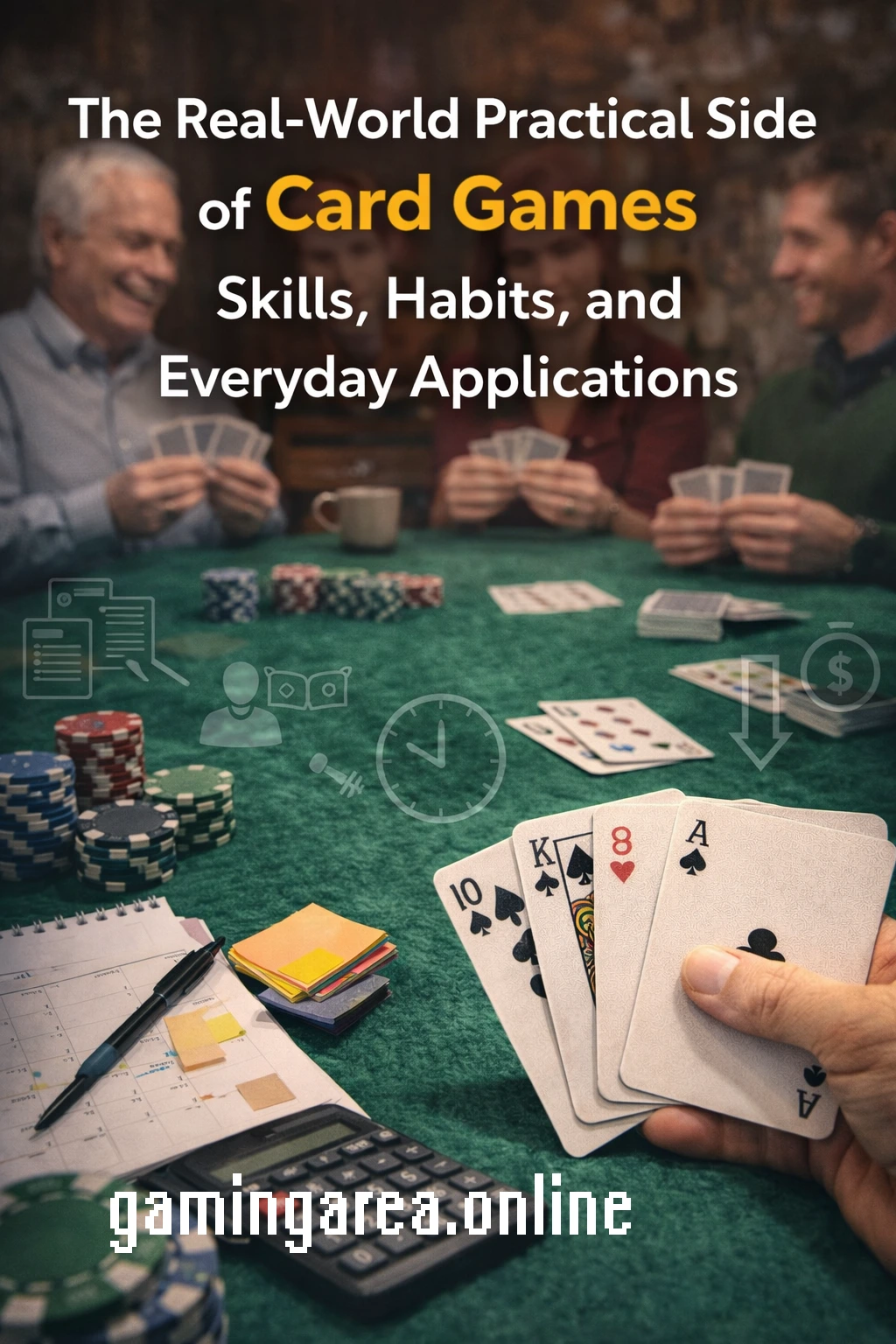
Card games are often seen purely as entertainment — something people play to pass time, socialize, or relax. While enjoyment is certainly a central element, the experience of playing card games also involves practical real-world components that influence habits, thinking patterns, and interpersonal interaction.
From understanding structure and discipline to developing awareness and communication, card games create environments where everyday skills are exercised naturally. These experiences occur without pressure or formal instruction, making them accessible to individuals of all backgrounds.
This article explores the practical elements embedded in card game participation and how they connect to real-life situations, routines, and behavioral development.
Understanding Structure and Rules
Every card game operates within a defined framework of rules. Players must learn these guidelines before participating effectively. This process mirrors real-world situations where understanding systems and expectations is necessary.
Practical Elements
- Reading and interpreting instructions
- Following sequential steps
- Respecting agreed guidelines
- Adapting to structured environments
In everyday life, similar behaviors apply when learning workplace procedures, educational formats, or collaborative group activities. Becoming comfortable with structured rules in recreational settings can build confidence when navigating unfamiliar systems.
Decision-Making in Dynamic Situations
Card games frequently involve making choices based on available information. Players evaluate options, anticipate possible outcomes, and act accordingly.
Real-World Parallels
- Assessing situations before responding
- Weighing alternatives
- Managing uncertainty
- Accepting imperfect information
These decision-making habits appear in routine contexts such as scheduling tasks, budgeting time, or selecting between competing priorities. Practicing decision-making in low-stakes environments builds familiarity with thoughtful evaluation.
Observation and Awareness
Successful participation often requires noticing patterns, remembering previous actions, and observing other players’ behaviors.
Everyday Applications
- Paying attention during conversations
- Recognizing changes in group dynamics
- Monitoring surroundings
- Identifying trends over time
Observation skills are valuable in professional and personal environments, supporting awareness and responsiveness.
Communication and Interaction
Many card games involve interaction with other participants. Explaining rules, clarifying misunderstandings, and discussing outcomes require communication.
Practical Benefits
- Clear expression of thoughts
- Active listening
- Patience with differing perspectives
- Constructive dialogue
These interpersonal skills support teamwork, collaboration, and relationship building in everyday settings.
Managing Emotional Responses
Gameplay naturally introduces moments of success and disappointment. Responding constructively contributes to positive group experiences.
Real-World Emotional Skills
- Maintaining composure
- Celebrating respectfully
- Accepting setbacks
- Practicing empathy
Developing emotional balance in recreational contexts can influence responses in work or social challenges.
Time Awareness and Routine Integration
Playing card games requires allocating time and managing attention. Incorporating gameplay into schedules involves planning.
Practical Considerations
- Balancing leisure with responsibilities
- Scheduling social interaction
- Managing duration of activities
- Maintaining routines
Time management skills translate directly into daily productivity and organization.
Environmental Preparation
Setting up a card game requires arranging physical space and resources.
Real-World Parallels
- Organizing materials
- Preparing shared environments
- Ensuring comfort for participants
- Maintaining cleanliness
These preparation habits reinforce responsibility and attention to surroundings.
Adaptability and Flexibility
Game circumstances can change unexpectedly. Players must adjust strategies and expectations.
Everyday Applications
- Responding to changing plans
- Adjusting to new information
- Remaining open to alternatives
- Managing uncertainty
Adaptability supports resilience in professional and personal situations.
Inclusivity and Social Awareness
Card games often include participants with different skill levels or backgrounds.
Practical Social Skills
- Encouraging participation
- Respecting differences
- Supporting beginners
- Sharing knowledge
These behaviors foster inclusive environments beyond gameplay.
Learning Through Repetition
Improvement occurs gradually as players practice repeatedly.
Real-World Connection
- Skill development through persistence
- Patience with gradual progress
- Understanding incremental growth
- Reinforcing discipline
This mindset supports learning in academic and professional pursuits.
Responsibility and Fair Participation
Card games rely on honesty and adherence to shared expectations.
Practical Elements
- Respecting fairness
- Upholding integrity
- Following collective agreements
- Maintaining trust
Integrity in recreational activities reflects values important in broader societal interaction.
Creating Positive Leisure Habits
Choosing balanced leisure activities contributes to overall well-being.
Benefits
- Stress reduction
- Mental refreshment
- Social bonding
- Routine variety
Balanced recreation supports sustainable lifestyles.
Technology Balance
Card games provide an opportunity to step away from digital environments.
Real-World Value
- Reduced screen dependency
- Improved focus
- Face-to-face engagement
- Mindful presence
Maintaining balance between digital and physical activities supports cognitive and social health.
Intergenerational Interaction
Card games often bring together people of different age groups.
Practical Impact
- Knowledge exchange
- Cultural continuity
- Mutual respect
- Shared understanding
These interactions strengthen community bonds.
Building Confidence Through Participation
Learning and contributing to group activities can build personal confidence.
Everyday Carryover
- Comfort engaging socially
- Willingness to try new activities
- Confidence in structured settings
- Positive self-perception
Confidence developed through recreation influences broader life participation.
Conclusion
Card games represent more than entertainment. Within their simple frameworks exist numerous practical real-world elements that shape behavior, thinking, and interaction. From communication and decision-making to emotional balance and adaptability, gameplay environments mirror aspects of everyday life.
Engaging with card games as a recreational activity allows individuals to experience these elements naturally, reinforcing useful habits while maintaining enjoyment. Whether played occasionally or regularly, they provide opportunities to practice valuable skills in a relaxed and accessible setting.