
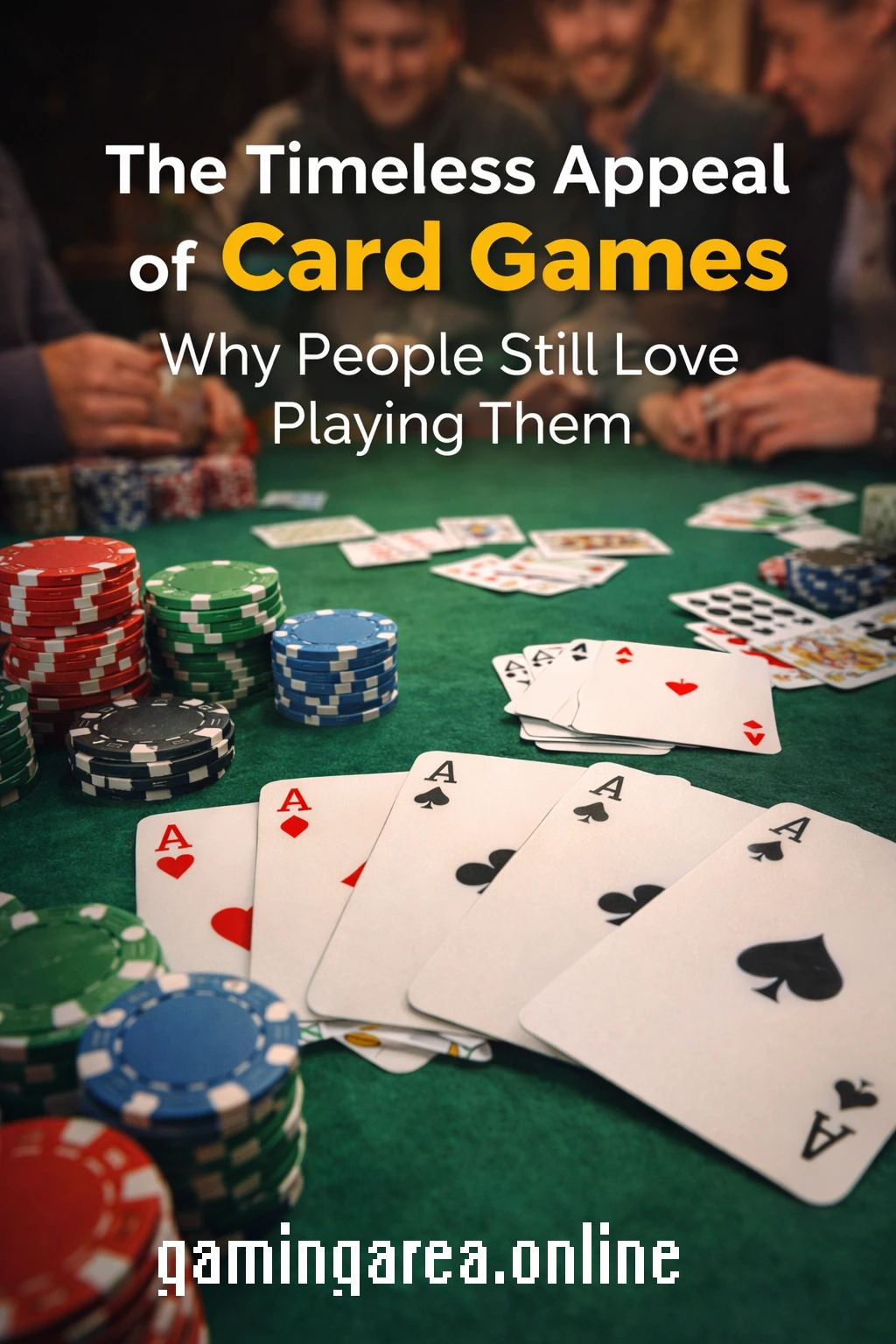
Card games have remained a popular form of entertainment for generations. Despite the growth of digital gaming and online media, many people continue to enjoy traditional card games as a relaxing and social activity. From casual family gatherings to friendly meetups with friends, card games offer a simple way to connect, think strategically, and unwind.
This article explores what makes card games appealing, how they can be enjoyed responsibly, and why learning them can be a rewarding hobby for beginners.
A Simple Form of Entertainment
One of the reasons card games have endured is their simplicity. A standard deck of cards is portable, affordable, and versatile. With just one deck, players can explore many different types of games that range from lighthearted and quick to more strategic and thoughtful.
Card games do not require specialized equipment or extensive preparation. This accessibility makes them ideal for:
- Social gatherings
- Travel entertainment
- Relaxation after work
- Learning new skills
Because they are easy to start and flexible in format, they fit comfortably into many lifestyles.
Social Connection and Interaction
Unlike many solo digital activities, card games often encourage face-to-face interaction. Players communicate, share moments of excitement, and engage in friendly competition. These shared experiences can foster connection and create memorable experiences.
Some benefits of group gameplay include:
- Strengthening communication
- Encouraging cooperation
- Practicing patience and observation
- Enjoying shared entertainment
For many individuals, the social aspect of card games is just as enjoyable as the gameplay itself.
Mental Engagement and Learning
Card games frequently involve planning, memory, and observation. Players often consider potential outcomes, track cards, or adapt to changing situations. While card games are primarily entertainment, these elements can provide mental engagement that keeps gameplay interesting.
Learning new card games also offers opportunities to:
- Understand rules and structures
- Develop strategic thinking
- Improve decision-making
- Build confidence through practice
This makes card games appealing to beginners and experienced players alike.
Responsible and Recreational Play
Card games are best enjoyed as a form of recreation and social interaction. When approached responsibly, they provide entertainment without pressure or expectations.
It is important to approach card games with a focus on:
- Enjoyment
- Learning
- Social interaction
- Balanced participation
This perspective helps maintain a positive and healthy relationship with gaming activities.
Getting Started as a Beginner
For those new to card games, beginning can be straightforward:
- Start with simple games that have easy rules
- Play with friends or family
- Learn gradually through experience
- Focus on enjoyment rather than competition
With time, players often discover which styles of games they enjoy most and continue exploring from there.
Exploring Different Game Types
There are many categories of card games to try, including:
- Matching and collecting games
- Trick-taking games
- Strategy-based games
- Solo play games
Each offers a different pace and style of interaction. Exploring various types allows players to find games that suit their preferences.
Conclusion
Card games continue to thrive because they combine accessibility, social interaction, and engaging gameplay. They provide a flexible form of entertainment that suits individuals, families, and groups alike. By focusing on enjoyment and learning, anyone can begin exploring card games and discover the satisfaction they bring.
Whether played occasionally or regularly, card games offer a timeless way to connect, relax, and experience shared enjoyment.